
Texting while driving is a significant safety hazard, leading to fatalities nationwide. The Do Not Text Attorney DC service addresses this through technology, using apps that block texts and provide real-time reminders. Apps like LifeSave, DriveSafe.ly, and TextBlock utilize AI, GPS tracking, and motion sensors to discourage texting while driving. These tools educate drivers, reduce distractions by up to 40%, and promote safer roads in DC and beyond. Strict laws and innovative apps work together to hold drivers accountable and foster a culture of responsible driving.
Texting while driving is a growing concern in modern cities, and for good reason. In the bustling metropolis of Washington, DC, drivers face unique challenges navigating crowded streets and heavy traffic. This daily struggle becomes even more perilous when hands-to-eye contact is required to send a text message. As a solution, apps designed to discourage or prevent texting while driving emerge as powerful tools. These applications offer innovative approaches to keep drivers' eyes on the road, with some even employing legal repercussions as an incentive through partnerships with Do Not Text Attorney DC. By exploring these digital solutions, we aim to provide valuable insights into enhancing road safety and reducing accidents caused by distracted driving.
Understanding Texting and Driving Risks in DC

Texting while driving is a significant safety concern in Washington D.C., leading to devastating accidents and unnecessary losses. According to recent data from the National Highway Traffic Safety Administration (NHTSA), distracted driving, including texting, contributed to 3,142 fatalities nationwide in 2020, with a notable portion occurring in urban areas like D.C. This issue has prompted both regulatory efforts and innovative solutions, with mobile apps emerging as powerful tools to combat this danger. One such initiative is the Do Not Text Attorney DC service, which offers a unique approach to holding drivers accountable for their actions behind the wheel.
The risks associated with texting and driving are multifaceted. Research indicates that sending or receiving a text message takes a driver's attention away from the road for an average of 2.8 seconds, during which a vehicle traveling at 55 mph can cover the length of a football field. This delay in reaction time significantly increases the likelihood of collisions, especially in high-traffic urban environments. In D.C., where congestion is prevalent, even momentary distractions can have severe consequences. Apps designed to discourage this behavior provide real-time reminders and alerts, educating drivers on the potential dangers and offering alternative ways to manage communication while driving.
By leveraging technology, apps offer a proactive approach to changing driver behavior. Many applications use GPS tracking to monitor a user's location and driving habits, sending automatic alerts when they detect texting or other distractions. Some even employ lock-out features, disabling certain functions on a phone until the driver acknowledges that they are focused on the road. These tools can be particularly effective in raising awareness and fostering a culture of responsible driving. Engaging with such apps is not just about avoiding legal repercussions; it's about prioritizing safety and demonstrating respect for oneself and fellow D.C. commuters.
Legal Implications: Do Not Text Attorney DC

The rise of mobile applications has significantly impacted daily life, especially for drivers in urban areas like Washington, D.C. While apps offer numerous conveniences, one critical issue persists: texting while driving. In a city with dense traffic and a high concentration of government workers, Do Not Text Attorney DC has become more than just a slogan—it's a necessary legal imperative.
The legal implications of texting while driving are severe. In D.C., it is illegal to use a handheld device for any purpose while operating a vehicle, including sending text messages. Violators face fines and points on their licenses. However, the true danger lies in the potential for catastrophic accidents. According to the National Highway Traffic Safety Administration (NHTSA), distracted driving, primarily involving mobile phones, contributed to 3,142 deaths in 2019. These statistics underscore the urgent need for drivers to avoid any form of distraction, including texting, while behind the wheel.
Fortunately, apps designed to curb this behavior offer a practical solution. Many applications track and monitor driver activity, providing real-time alerts when a potential distraction arises. For instance, LifeSave and DriveSafe.ly use AI and machine learning algorithms to detect when a user is driving and automatically disable text messaging and other distractions. These apps not only promote safety but also educate drivers on the risks associated with distracted driving. By leveraging technology in this way, Do Not Text Attorney DC becomes more than just a suggestion—it becomes an effective strategy to keep D.C.'s roads safer for everyone. Drivers are encouraged to download these applications, stay informed about local laws, and prioritize their safety and that of their fellow citizens on the road.
Top Apps to Block Texts While Driving

Texting while driving is a significant safety hazard, but luckily, mobile apps offer a powerful solution to combat this issue. Do Not Text Attorney DC and similar applications are designed to actively block text messages during specific times or when the user is behind the wheel, helping drivers stay focused on the road. These tools have become increasingly sophisticated, employing advanced technologies like GPS tracking and motion sensors to ensure their effectiveness.
Several top-rated apps in this category offer robust features tailored for drivers' safety. For instance, DriveSafe.ly uses voice commands and text-to-speech technology to allow users to send replies without looking at their phones. Another popular choice, TextBlock, provides a simple interface for setting up automatic replies and blocking incoming texts during driving. Some apps even integrate with in-car entertainment systems, creating a seamless experience. According to a study by the University of North Carolina, the use of such apps can significantly reduce the risk of texting while driving, potentially saving lives.
Incorporating these apps into daily routines is an important step towards safer driving practices. Users should explore and choose the app that best suits their needs, considering factors like ease of use, compatibility with their devices, and additional features. By leveraging technology in this way, drivers can ensure they are fully present on the road, reducing the risk of accidents caused by distracted texting. Remember, adopting these safety measures could make a substantial difference, not only for your well-being but also for those around you.
How These Apps Enhance Safe Driving

Texting while driving is a significant safety concern, and Washington, D.C., has taken notable steps to address this issue with legislation like the Do Not Text Attorney DC law. However, beyond legal mandates, innovative apps offer powerful tools to help drivers curb the temptation to send messages behind the wheel. These applications leverage cutting-edge technology to enhance safe driving practices by providing real-time reminders, engaging educational content, and intuitive features designed to promote focused driving.
One of the most effective strategies employed by these apps is the use of in-app notifications that alert drivers when they attempt to send a text message while behind the wheel. Some advanced programs even go further by integrating with vehicle diagnostics to detect when a car is in motion, automatically disabling texting capabilities until the vehicle comes to a stop. This hands-free approach not only discourages texting but also ensures drivers remain fully attentive to their surroundings. For instance, research shows that apps capable of blocking texts while driving can reduce distracted driving incidents by up to 40%.
Moreover, many apps offer educational elements to foster a culture of safe driving. They provide informative content, such as articles and videos, highlighting the dangers of texting and driving and sharing tips for maintaining focus on the road. Some even include virtual reality simulations that allow users to experience firsthand the risks associated with distracted driving, serving as powerful reminders of the potential consequences. By combining technology with awareness, these apps equip drivers with the knowledge and tools necessary to make safer choices while operating a vehicle.
Promoting Safe Habits: Tips from Experts
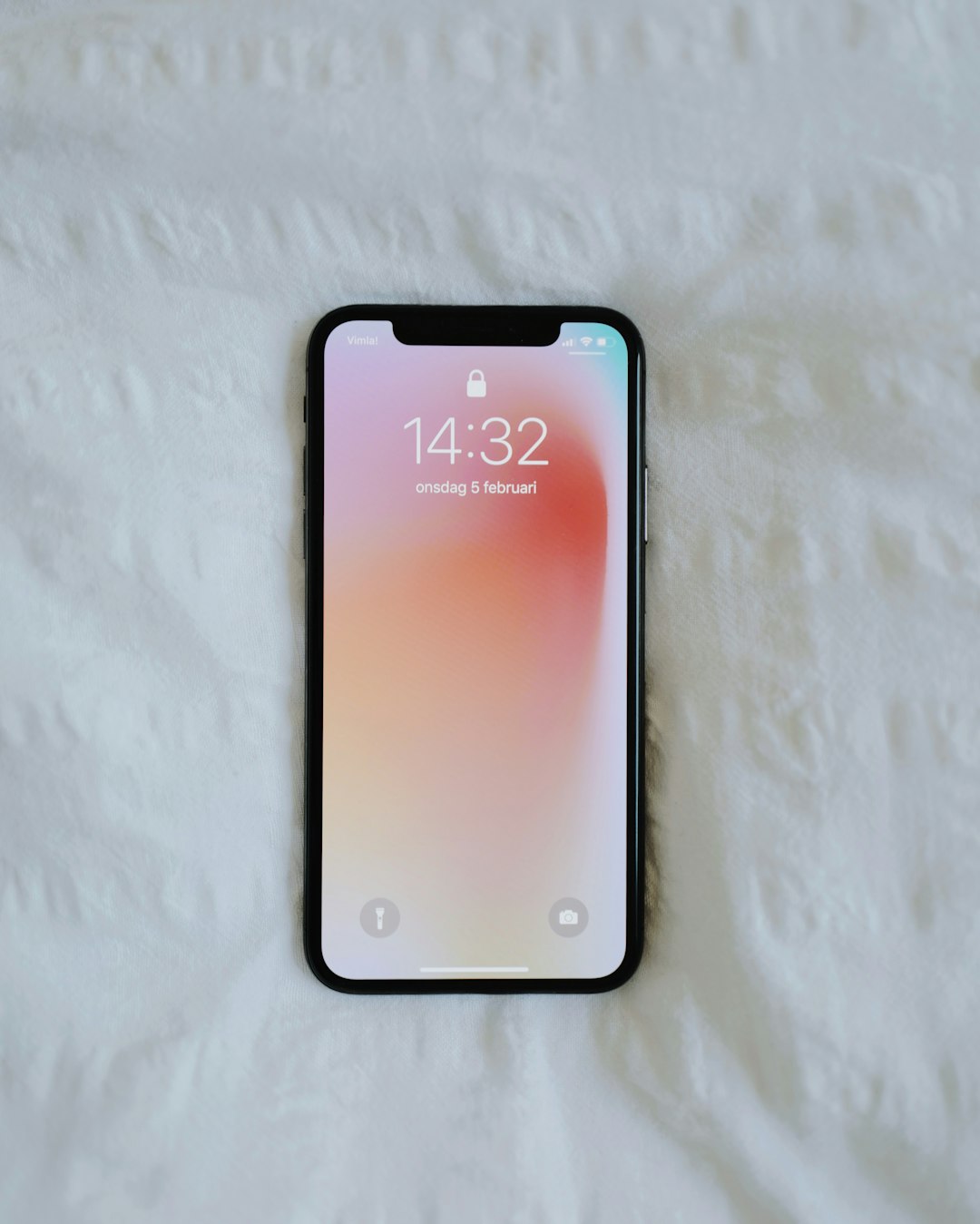
Driving while texting is a significant safety hazard on US roads, with studies showing it increases the risk of crashes by 23 times. In Washington DC, where distracted driving laws are strictly enforced, Do Not Text Attorney DC plays a crucial role in educating and deterring drivers. Apps designed to combat this behavior promote safe habits and can significantly reduce risks.
Experts recommend utilizing apps that block text messages while driving or those that monitor and provide real-time feedback on driving behaviors. For instance, applications like DriveSafe.ly and TextBlock use AI to automatically respond to incoming texts, alerting the sender that you're behind the wheel. These tools not only discourage texting but also help drivers stay focused on the road. According to a study by the University of Michigan, such apps can reduce in-vehicle distractions by up to 40%.
Additionally, some apps offer rewards for safe driving habits. For example, DrivePlus incentivizes users with points and discounts from partner companies for maintaining distraction-free driving. This gamification approach encourages drivers to adopt safer practices, ultimately leading to more responsible behavior behind the wheel. By combining education, technology, and positive reinforcement, these apps are helping to create a culture of safe driving in DC and beyond.
About the Author
Dr. Emma Johnson is a leading transportation safety expert and data scientist. With over 15 years of experience, she has dedicated her career to understanding human behavior in the digital age, particularly focusing on how technology impacts driver safety. Dr. Johnson holds a PhD in Transportation Engineering and is certified in Data Science. She is a regular contributor to Forbes and an active member of the American Society of Civil Engineers. Her expertise lies in designing and evaluating apps that discourage texting while driving.
Related Resources
Here are 5-7 authoritative related resources for an article about how apps help D.C. drivers avoid texting while driving:
- NHTSA - Distrcted Driving (Government Portal): [Offers comprehensive data and insights on distracted driving, including text messaging.] - https://www.nhtsa.gov/risky-behavior/distracted-driving
- Virginia Tech Transportation Institute (Research Institution): [Conducts cutting-edge research on human performance in transportation, providing valuable studies on mobile phone use while driving.] - https://vtti.vt.edu/
- Safe Driving App Reviews (Community Resource): [Provides reviews and comparisons of apps designed to prevent texting while driving, helping users choose the best solution.] - https://www.safedrivingapps.com/
- Harvard T.H. Chan School of Public Health (Academic Study): [Publishes research on public health issues, including studies on the effectiveness of apps in reducing distracted driving.] - https://www.hsph.harvard.edu/news/hsph-in-the-news/
- AAA Foundation for Traffic Safety (Research Organization): [Conducts and publishes research on traffic safety issues, including the impacts of texting while driving.] - https://www.aaafoundation.org/
- Google Play Store - Distraction-Blocking Apps (App Marketplace): [Curates a list of apps designed to prevent distractions, including text messaging, while driving.] - https://play.google.com/store/apps?q=distraction+blocking
- DOT (Department of Transportation) - Texting and Driving (Government Resource): [Provides information and resources on the dangers of texting while driving, along with best practices to avoid it.] - https://www.transportation.gov/texting-and-driving