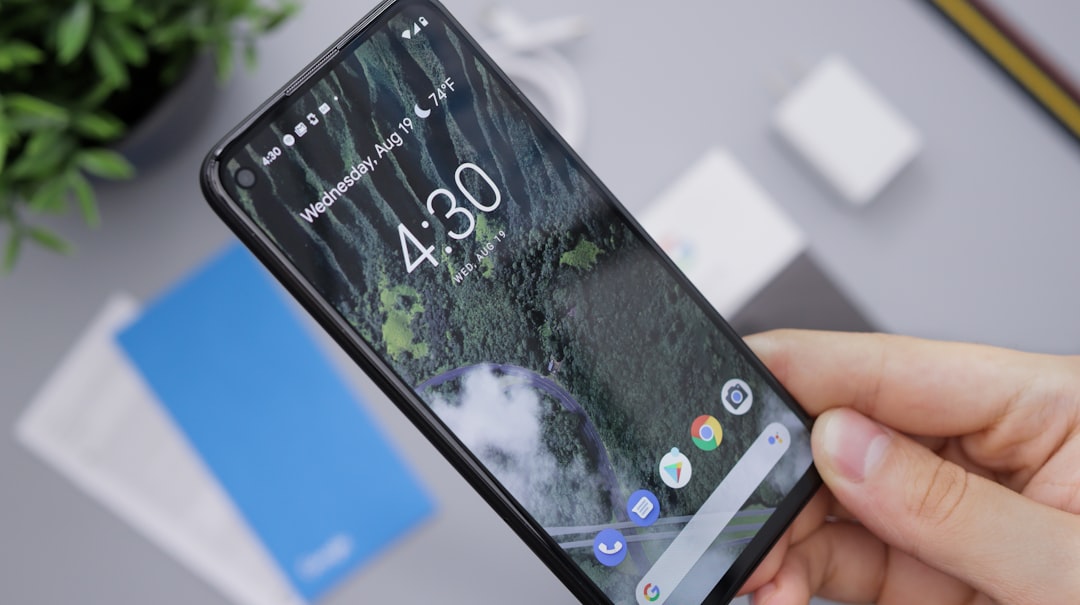
The District of Columbia fights spam calls with strict Anti-Spam Laws and specialized Spam Call law firms in DC. These firms educate citizens, facilitate complaints, and enforce laws against unsolicited text messages. Violations incur severe penalties, and law firms guide victims on their rights, ensuring accountability for unwanted messaging through legal actions like monetary sanctions.
In the bustling metropolis of Washington D.C., the fight against unwanted text messages is a serious affair. The district has stringent Spam Call laws in place to protect its residents from intrusive and unwelcome text messages, commonly known as Do Not Text regulations. This article explores how these laws are enforced by legal experts at a Spam Call law firm DC, delving into the mechanisms, consequences, and the overall impact on ensuring a peaceful digital environment for all D.C. citizens.
DC's Anti-Spam Laws: Protecting Residents from Unwanted Texts

In an era where digital communication is omnipresent, District of Columbia (DC) has taken a proactive step to safeguard its residents from unwanted and malicious spam calls. The city’s Anti-Spam Laws are designed to curb the deluge of unsolicited text messages, often used for promotional purposes or even scams. These laws empower residents to take action against persistent spammers by offering legal avenues to resolve issues swiftly.
The DC Spam Call law firm plays a pivotal role in this regard, serving as a resource for citizens to understand their rights and seek justice. By facilitating complaints and providing legal guidance, these firms ensure that the Anti-Spam Laws are enforced effectively, thereby creating a safer digital environment for all DC residents. This proactive approach is a step towards modernizing communication regulations, keeping pace with technological advancements while protecting consumers from deceptive practices.
How Do Not Text Rules Are Enforced in the District
In the District of Columbia, Do Not Text laws are enforced primarily through a combination of consumer education and legal repercussions. The Washington, D.C. Attorney General’s Office plays a pivotal role in promoting these rules by educating residents about the dangers and penalties associated with unsolicited text messages, often from spam call law firms. They conduct awareness campaigns to ensure that citizens understand their rights and the implications of violating these laws.
Enforcement involves monitoring and investigating complaints related to unwanted text messages. If found guilty of sending such messages, businesses or individuals can face substantial fines. This strict enforcement mechanism is designed to deter potential violators and protect residents from nuisance and fraudulent communications, ensuring a safer digital environment for all District citizens.
Legal Consequences for Violating DC's Spam Call Regulations
Violating DC’s strict Spam Call regulations can lead to significant legal repercussions. The District of Columbia takes such violations seriously, and individuals or businesses found guilty of sending unsolicited texts can face substantial fines. These penalties are designed to deter unwanted communication and protect residents from intrusive marketing practices.
A Spam Call law firm DC can represent individuals who have received excessive or inappropriate text messages, helping them understand their rights and take necessary action. The legal consequences may include monetary sanctions against the offending party, as well as orders to cease and desist further unauthorized text messaging activities.