Texting bans in Washington D.C. spark debate between lawyers supporting strict enforcement for public safety and those suggesting education as an alternative. As a specialist in Do Not Text Laws DC, understanding these differing viewpoints is key to navigating this complex issue balancing road safety and personal freedoms.
In recent years, debates surrounding Do Not Text laws in Washington D.C. have sparked public discourse. This article explores the diverse perspectives of residents and visitors alike on these texting bans. We delve into the legal intricacies from a lawyer’s perspective, weighing the benefits for safety against potential infringements on personal freedom. By examining both sides, we aim to provide a comprehensive understanding of this controversial topic, offering insights for anyone interested in the role of technology regulation, especially with a lawyer for Do Not Text Laws DC as a key focus.
Exploring Public Perception of Do Not Text Laws in DC

Public perception plays a crucial role in shaping the success and implementation of do not text laws in Washington D.C. Despite efforts to reduce distracted driving by banning texting while behind the wheel, opinions on these regulations remain divided. Some residents and advocates believe that such laws are essential for improving road safety and holding drivers accountable. They argue that reducing distractions at the wheel could significantly decrease car accidents caused by texting. On the other hand, critics contend that these bans infringe upon personal freedom and may be difficult to enforce.
This debate highlights a broader conversation about balancing public safety with individual liberties. As individuals search for legal representation regarding do not text laws in DC, they often turn to experienced lawyers who can guide them through this complex landscape. These legal experts help navigate the gray areas surrounding these regulations and ensure that everyone’s rights are protected while striving for safer roads.
Legal Aspects: A Lawyer's View on DC's Texting Bans

The legal implications of texting bans in Washington D.C. are a fascinating aspect often overlooked by the public. As a legal expert specializing in D.C.’s Do Not Text laws, I’ve observed both support and skepticism from various segments of society. These laws aim to curb accidents caused by distracted driving, emphasizing that texting while driving is a serious offense.
From a lawyer’s perspective, the bans are grounded in public safety and are designed to be enforced through penalties and fines. However, there have been debates regarding their effectiveness and potential infringement on personal freedoms. Many legal professionals advocate for stricter enforcement, while others suggest that education and awareness campaigns might be more productive in changing driver behavior.
Pros and Cons: Impact on Safety vs. Personal Freedom
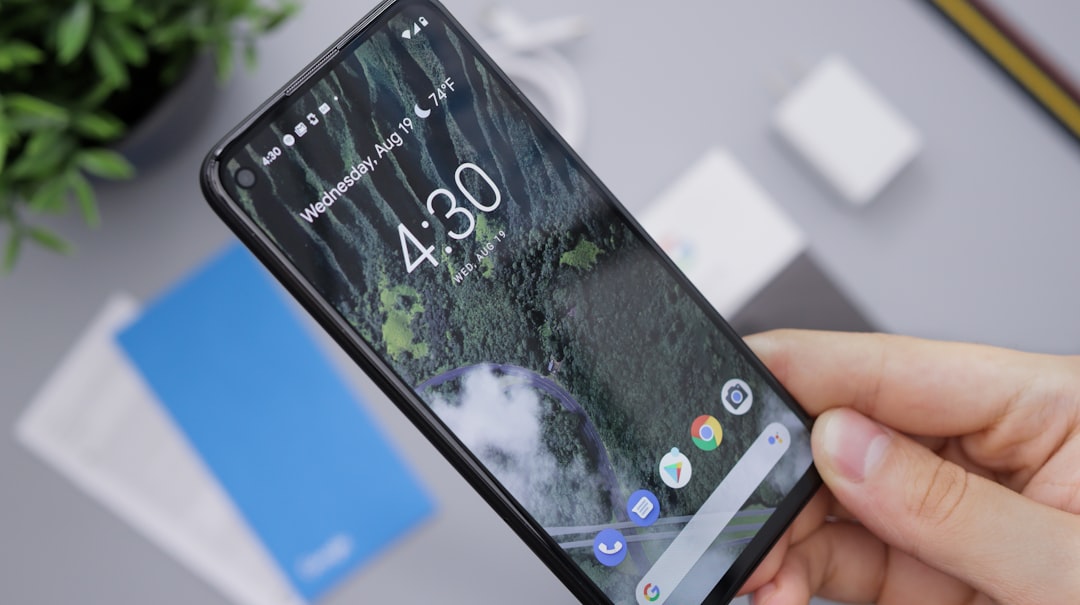
Texting bans in Washington D.C., often championed by advocates for road safety, have sparked debates regarding the balance between public safety and personal freedoms. Proponents argue that these laws are essential to prevent distracted driving, reduce accidents, and save lives. By restricting the use of mobile phones while behind the wheel, supporters believe that drivers’ attention can be solely focused on the road, leading to safer streets. This perspective highlights the severe consequences of texting while driving, including slower reaction times and an increased risk of collisions.
On the other hand, critics voice concerns over perceived infringements on individual liberties. They argue that responsible drivers should not be penalized for the actions of those who choose to text and drive. Additionally, some suggest that such bans may be ineffective in deterring dangerous behavior and could lead to a culture of secretive phone use, making it harder to enforce other traffic regulations. This debate highlights the complex interplay between ensuring road safety and preserving personal freedoms, an issue that continues to prompt discussions among policymakers, legal experts, including those specialized in Do Not Text Laws DC, and the public at large.