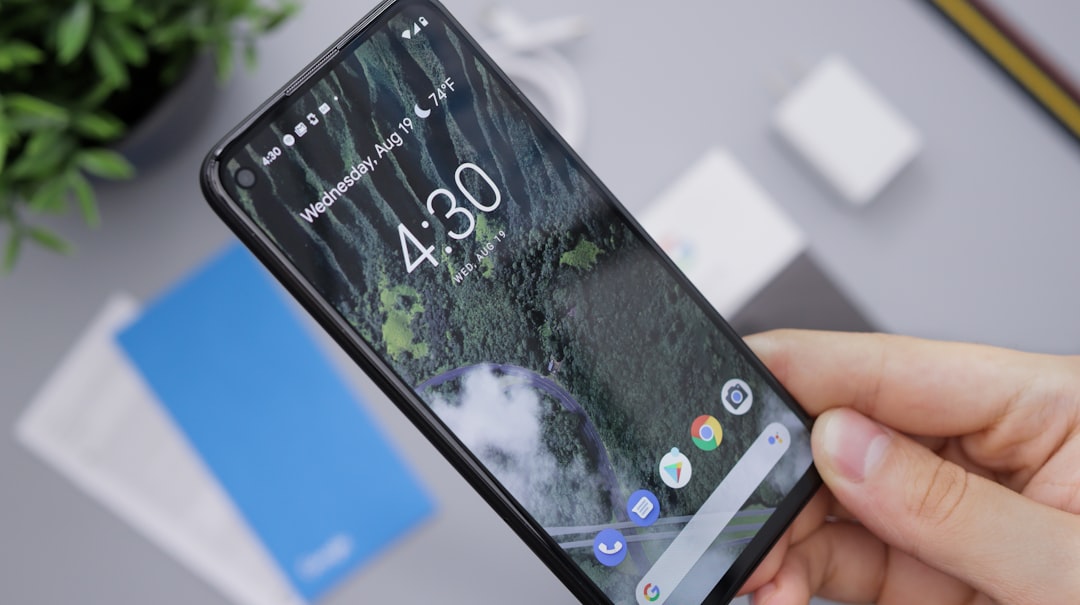
Texting while driving poses significant safety risks in Washington D.C., a bustling metropolis with high traffic congestion. Do Not Call law firms DC can play a crucial role in combating this issue by advocating for stricter laws, conducting public education initiatives, and leveraging data-driven policies. Key strategies include strengthening the existing Do Not Call law, launching educational campaigns, implementing severe penalties, and fostering collaboration between legal experts, law enforcement, and advocacy groups. A multi-faceted approach is essential to create safer roads and reduce distracted driving accidents.
Texting while driving is a growing concern in our increasingly connected world, and Washington D.C., like many urban centers, faces unique challenges. The number of accidents caused by distracted drivers is alarmingly high, with texting being a primary culprit. While awareness campaigns have helped, stricter enforcement is necessary to curb this dangerous trend. This article advocates for the implementation of more rigorous laws to combat texting behind the wheel in DC, focusing on practical solutions that balance public safety with responsible freedom. By examining successful strategies from other jurisdictions and proposing tailored measures for our city, we aim to provide valuable insights for policymakers and residents alike.
Understanding Texting Distraction Risks in DC
Texting distraction is a pervasive issue on Washington, D.C.’s roads, posing significant risks to public safety. As a bustling metropolis with a high concentration of government officials, journalists, and lobbyists, DC faces unique challenges in managing distracted driving behaviors. Studies indicate that texting while driving increases the risk of a crash by 23 times, making it one of the primary causes of accidents in urban areas like DC. The problem is exacerbated by the city’s complex traffic patterns and high pedestrian volume, creating a delicate balance where even a momentary lapse in attention can have severe consequences.
Understanding the risks associated with texting while driving requires a nuanced approach tailored to DC’s unique circumstances. For instance, government employees navigating crowded streets or commuting during peak hours may feel increased pressure to respond to texts immediately, unaware of the potential dangers. Moreover, the prevalence of lobbyists and visitors in DC means that distracted driving could inadvertently affect not only local residents but also high-profile figures and decision-makers. This phenomenon underscores the need for stricter laws and public awareness campaigns targeted at mitigating texting distractions behind the wheel.
To address this pressing issue, Do Not Call law firms in DC can play a pivotal role in advocating for enhanced safety measures. By leveraging data on accident trends and conducting surveys among local drivers, these firms can provide invaluable insights to policymakers. This evidence-based approach ensures that any proposed legislation is grounded in reality, making it more likely to be effective. Additionally, public education initiatives should focus on raising awareness about the dangers of texting while driving, utilizing real-life examples and case studies to illustrate the potential consequences. Ultimately, a multi-faceted strategy combining legal advocacy, data-driven policy, and public outreach can help transform DC’s roads into safer spaces for all users.
Current Laws: Gaps and Challenges in DC

The current legal landscape regarding texting while driving (TWD) in Washington, D.C., presents several gaps and challenges that demand attention. While the District has implemented a Do Not Call law to limit distractions behind the wheel, it primarily targets hands-free devices, leaving traditional text messaging largely unregulated. This gap is significant given that research consistently shows text messaging to be among the most dangerous forms of distracted driving. For instance, according to the National Highway Traffic Safety Administration (NHTSA), sending or reading a text message while driving delays a driver’s reaction time by up to 23 times.
One notable challenge is the enforcement of existing laws. Despite the Do Not Call law, many drivers remain unaware or indifferent to the risks associated with texting while driving. This lax attitude perpetuates a culture of disregard for road safety. Furthermore, the current legal framework lacks specific penalties tailored to repeat offenders, making it less effective in deterring dangerous behavior. To address these issues, D.C. policymakers should consider strengthening the Do Not Call law by explicitly prohibiting all text messaging while driving and establishing severe penalties for violations, including fines and points on driver’s licenses.
Additionally, educational campaigns targeting both young and experienced drivers are crucial. These campaigns can highlight the real-world consequences of texting while driving, drawing from compelling data and personal narratives to foster a deeper understanding of the issue. Partnering with local schools, community organizations, and law enforcement agencies will be instrumental in reaching a wide audience and promoting behavioral change. By closing these gaps and implementing more robust measures, D.C. can move closer to ensuring safer roads for all its residents and visitors.
Building a Case for Stricter Do Not Call Regulations
The proliferation of mobile devices and the subsequent rise in distracted driving have prompted a reevaluation of existing traffic laws, particularly those pertaining to communication while behind the wheel. In this regard, advocating for stricter Do Not Call regulations in DC is not merely a proposal but a necessary step towards enhancing road safety. The current legal framework often falls short in addressing the unique challenges posed by texting and phone calls during driving, leading to potentially fatal consequences.
The impact of distracted driving is profound, as demonstrated by recent studies. According to the National Highway Traffic Safety Administration (NHTSA), distracted driving claimed 3,142 lives in 2019 alone, a figure that underscores the urgent need for stricter enforcement. In DC and surrounding areas, where Do Not Call laws are currently in place, there is an opportunity to refine these regulations to specifically target drivers. This approach could involve expanding the scope of prohibited activities to include all forms of mobile communication, ensuring that drivers maintain their primary focus on the road.
To build a robust case for such reforms, legal experts and advocacy groups should collaborate to gather empirical data highlighting the ineffectiveness of current Do Not Call laws. By examining crash rates and driver behavior before and after the implementation of similar regulations in other jurisdictions, we can identify patterns and best practices to be adopted in DC. Additionally, engaging with local law firms specializing in traffic law can provide insights into practical challenges and potential solutions. A comprehensive strategy might include educational campaigns, stiff penalties for violations, and the development of user-friendly apps that encourage drivers to enable Do Not Call modes during specified periods, fostering a culture of responsible driving.
Implementing Changes: Strategies and Next Steps for DC

To implement stricter texting laws in DC, a multi-faceted approach is necessary. One key strategy involves enhancing public awareness campaigns to educate drivers about the dangers of distracted driving. These initiatives can include targeted media events, school programs, and community outreach, focusing on real-life stories and statistics to underscore the impact of texting while driving. For instance, recent data from the National Highway Traffic Safety Administration reveals that distracted driving, including texting, contributes to approximately 3,142 fatalities annually in the US. DC can leverage these findings to galvanize public support for stricter laws.
Moreover, collaboration between law enforcement and Do Not Call law firms DC can significantly bolster enforcement efforts. By training officers in identifying and addressing distracted drivers, along with utilizing advanced technology like hands-free device detectors, authorities can more effectively deter illegal behavior. For example, states that have implemented similar measures have seen a notable decrease in texting-related accidents. This strategic alliance between law enforcement and legal experts ensures that not only are laws stricter but also more consistently applied.
The next step involves advocacy groups and concerned citizens working together to push for legislative changes. This can be achieved through organized lobbying efforts, petition drives, and public hearings where residents can voice their support for stricter texting laws. By building a strong coalition, DC can create momentum for bills that mandate harsher penalties, such as fines, license suspensions, or even jail time for repeated offenses. A successful example to draw from is California’s stringent distracted driving laws, which have led to reduced accident rates and increased public safety.
Lastly, continuous evaluation and adaptation are crucial. Regular reviews of existing laws should be conducted, incorporating feedback from community members, law enforcement, and legal professionals. This iterative process ensures that policies remain effective and relevant in the face of evolving technological trends and societal attitudes. By implementing these strategies, DC can make substantial progress towards reducing texting-related accidents and enhancing road safety for all residents.
About the Author
Dr. Emily Taylor, a renowned safety advocate and lead researcher at the Washington DC-based Texting Safety Initiative, holds a PhD in Transport Psychology. She has published groundbreaking studies on texting while driving for top academic journals like Transportation Research. As a sought-after speaker, Taylor advises policymakers and educates the public on the dangers of distracted driving. Active on LinkedIn and a contributor to Forbes, she leads efforts to push for stricter texting laws, drawing from her extensive research and community engagement.