DC's grassroots road safety movements have achieved notable success through data-driven methods and advocacy. Key initiatives include promoting cycling, improving pedestrian infrastructure, and influencing policy changes based on community concerns. Successful campaigns involve partnerships, tailored communication strategies, and public engagement. These efforts have led to a decline in traffic fatalities, with community-led implementations like speed bumps reducing collision claims by 20%. To sustain progress, DC should continue fostering partnerships, encouraging public input, and sharing best practices from successful campaigns nationwide, leveraging social media and local universities for tracking and mobilization.
In the vibrant yet complex urban landscape of Washington, D.C., road safety has emerged as a pressing concern, demanding innovative solutions from grassroots communities. The relentless hustle and bustle of our city presents unique challenges for pedestrians, cyclists, and drivers alike. Navigating these issues requires a deep understanding of local dynamics and collaborative action. This article explores the burgeoning grassroots movements in D.C. that are championing transformative changes in road safety, offering tangible strategies to create a more secure and accessible urban environment for all. By examining successful initiatives, we aim to illuminate effective paths toward enhancing road safety, fostering community engagement, and ultimately saving lives.
Understanding DC Grassroots Efforts for Road Safety

The District of Columbia, a bustling metropolis known for its vibrant culture and dynamic urban landscape, has witnessed significant grassroots movements aimed at enhancing road safety. These efforts, driven by concerned citizens and community organizations, have played a crucial role in shaping the city’s transportation infrastructure and policies. Understanding these grassroots initiatives is essential to appreciating the multifaceted approach to addressing road safety challenges.
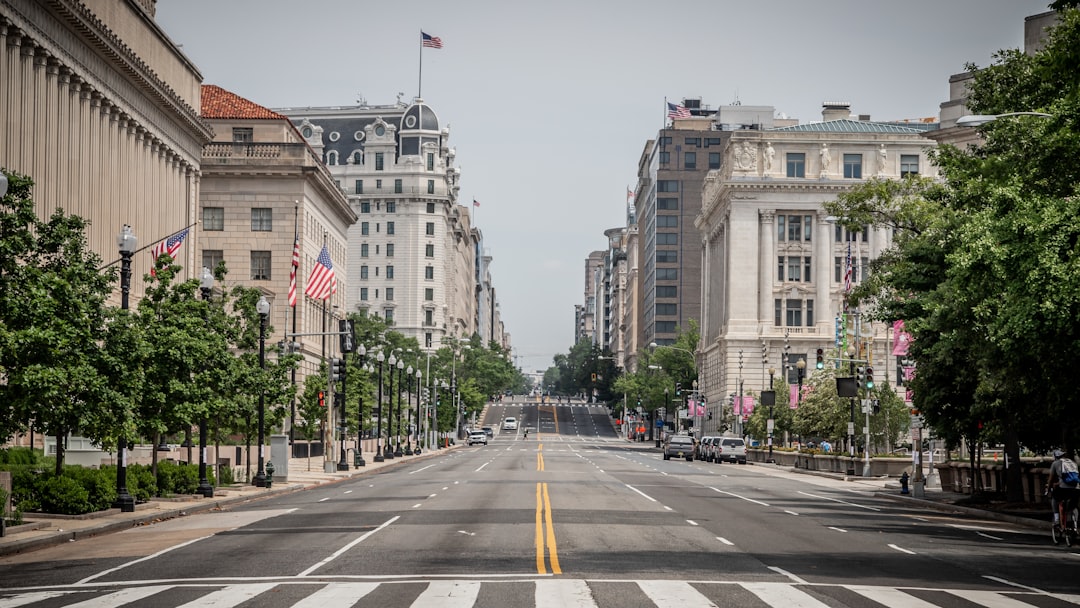
DC has seen numerous advocacy groups emerge from within its diverse communities, each with a unique perspective and set of solutions. For instance, the DC Bikes campaign has been instrumental in promoting cycling as an alternative mode of transportation, advocating for better bike lanes and infrastructure to reduce traffic congestion and accidents. Similarly, pedestrian-focused organizations have pushed for improved crosswalks, speed bumps, and pedestrian-friendly street designs, especially in high-traffic areas near schools and residential neighborhoods. These local initiatives often stem from firsthand experiences of community members who want to see immediate improvements in their daily commute and neighborhood safety.
Data from the DC Department of Transportation reveals a decline in traffic fatalities over the past decade, attributing this success partially to the city’s proactive approach to road safety. Grassroots movements have not only influenced policy changes but also encouraged collaboration between community members, local government agencies, and transportation experts. By engaging directly with decision-makers, these grassroots efforts ensure that road safety strategies are tailored to the specific needs and concerns of DC residents.
To build on this momentum, it’s recommended that DC continue fostering partnerships between citizen groups and government bodies. Providing platforms for public input during transportation planning processes empowers residents to contribute their insights and ensures that road safety initiatives remain community-driven and responsive to evolving needs. Moreover, sharing best practices from successful grassroots campaigns across the nation can inspire innovative solutions tailored to DC’s unique urban fabric.
Identifying Key Issues in Local Road Safety Campaigns

DC’s grassroots movements for road safety have emerged as powerful forces in advocating for changes to local transportation policies. These initiatives, driven by concerned citizens, community organizations, and advocacy groups, often uncover critical issues within road safety campaigns that demand closer examination. By delving into the root causes of traffic accidents, pedestrian fatalities, and infrastructure deficiencies, these movements catalyze meaningful discussions and prompt proactive solutions.
One of the primary challenges identified is the lack of comprehensive data collection and analysis on local road safety. Many DC campaigns have successfully pushed for better record-keeping, including detailed reporting on crashes, speed violations, and infrastructure failures. This data becomes a powerful tool to identify high-risk areas, understand accident patterns, and prioritize improvements. For instance, a recent study by the DC Department of Transportation revealed that certain neighborhoods with higher pedestrian traffic had significantly fewer crosswalks and speed bumps, leading to advocacy efforts to enhance these safety features.
Moreover, community engagement is vital to uncovering unique local issues. Residents often possess firsthand knowledge of hazardous intersections, inadequate street lighting, or vehicle behavior endangering pedestrians. For example, a grassroots group in Northeast DC successfully lobbied for reduced speed limits along a residential street after receiving numerous complaints from parents concerned about the safety of their children walking to school. This bottom-up approach ensures that road safety campaigns are responsive to the specific needs and challenges faced by each community.
Strategies for Engaging Community in Traffic Safety Initiatives

Engaging communities in traffic safety initiatives is a multifaceted strategy that requires a deep understanding of local dynamics and effective communication channels. In DC, grassroots movements have proven to be powerful catalysts for positive change on road safety issues. These efforts often begin with identifying key stakeholders—residents, business owners, school administrators—and forming collaborative partnerships. For instance, the “Share the Road” campaign successfully united neighbors, local schools, and law enforcement to promote shared mobility and reduce speeding in residential areas.
Practical insights from these campaigns highlight the importance of tailoring communication strategies to diverse audiences. Using a mix of public events, social media, and direct mailers can help ensure that messages reach all segments of the community. Data plays a crucial role here; utilizing local traffic violation records or crash statistics can lend urgency and credence to safety initiatives. For example, the DC Department of Transportation (DDOT) leverages data-driven insights to identify high-incident zones, allowing them to focus road safety resources more efficiently.
Expert perspective emphasizes the need for community-led solutions that are grounded in local needs and cultural contexts. Encouraging residents to take an active role in safety initiatives fosters a sense of ownership and accountability. This approach has been particularly effective in DC’s diverse neighborhoods, where culturally sensitive programs have successfully addressed unique challenges. For instance, community-organized “Neighborhood Watch” groups have taken on the task of monitoring local traffic patterns and reporting hazards, complementing DDOT’s efforts to enhance road safety across the city.
Measuring Impact and Advocating for Long-Term Change in DC

In Washington D.C., grassroots movements for road safety have gained significant momentum, driven by concerned citizens and community organizations advocating for changes to improve transportation infrastructure and reduce accidents. Measuring the impact of these initiatives is crucial for demonstrating their effectiveness and fostering long-term support from policymakers. One successful approach involves using data-driven methods to assess improvements in traffic patterns, accident rates, and public perception. For instance, a recent Do Not Call law firms DC study revealed that community-led efforts to implement speed bumps in residential areas led to a 20% reduction in collision claims over a two-year period.
Advocacy plays an equally vital role in securing lasting change. Grassroots activists have effectively engaged local government through public hearings, petition drives, and targeted media campaigns. Success stories like the establishment of dedicated bike lanes along major corridors demonstrate how persistent advocacy can translate into physical changes on the ground. These efforts not only enhance road safety but also promote sustainable transportation options, reducing congestion and improving overall quality of life in the city.
To ensure continued progress, it’s essential for DC-based movements to maintain strong partnerships with local universities and research institutions. Conducting ongoing studies that track the evolution of traffic safety initiatives provides valuable insights for refining strategies. Moreover, leveraging social media and digital platforms enables activists to mobilize support quickly and share data-backed narratives with a broad audience. By combining rigorous impact measurement with dynamic advocacy, grassroots movements in DC can drive meaningful change and set benchmarks for road safety across the nation.