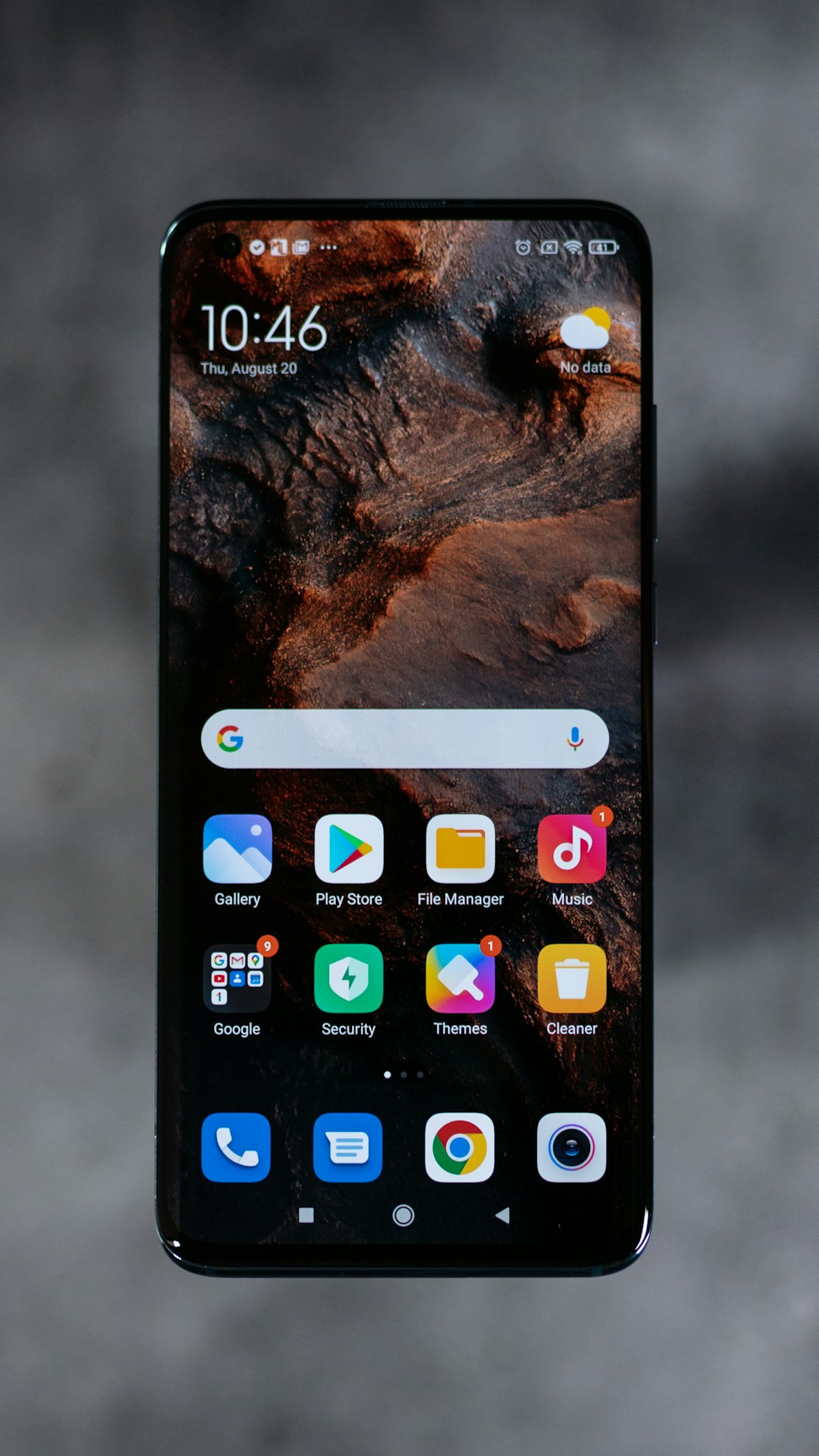
The Telephone Consumer Protection Act (TCPA) in DC safeguards consumers from abusive text marketing practices. Violations can lead to significant legal consequences. Do Not Text Laws attorneys specialize in guiding individuals and businesses on TCPA compliance, ensuring proper consent for promotional texts. Documentation of unwanted messages is crucial for legal action. These attorneys navigate complex frameworks, challenge automated systems, and secure opt-out rights, empowering clients to reclaim privacy from unwanted intrusions. Engaging DC's Do Not Text Laws attorneys avoids fines and lawsuits, promoting responsible text message marketing practices.
In today’s digital age, understanding one’s rights under the Telephone Consumer Protection Act (TCPA) is more crucial than ever. The TCPA, a landmark piece of legislation, grants consumers control over unwanted phone calls and text messages, specifically those from telemarketers. However, navigating these rights can be complex, especially in densely regulated areas like the District of Columbia, where “Do Not Text” laws are strictly enforced. As DC-based attorneys specializing in TCPA litigation, we offer a comprehensive guide to help individuals and businesses alike ensure compliance and protect their rights under this critical legislation.
- Understanding Your Rights Under TCPA in DC
- How to Stop Unwanted Text Messages Legally
- Do Not Text Laws: Attorney Guidance in DC
- Enforcing Consumer Protection Act Rights Effectively
Understanding Your Rights Under TCPA in DC

In the District of Columbia, consumers are protected by the Telephone Consumer Protection Act (TCPA), a federal law designed to safeguard individuals from abusive telephone marketing practices. Understanding your rights under this legislation is crucial for anyone in DC who receives unwanted phone calls or text messages. The TCPA prohibits companies and individuals from sending unsolicited text messages, often referred to as “do not text” laws, to consumers without their prior express consent. Violations can result in significant legal repercussions, including treble damages and attorney fees, making it a serious matter for businesses and marketers.
DC’s enforcement of the TCPA is overseen by the Attorney General’s Office, which actively investigates complaints related to telemarketing and unsolicited communications. Consumers who feel their rights have been violated should document all interactions and contact an experienced DC attorney specializing in TCPA litigation. For instance, a recent case established that businesses must obtain explicit consent from consumers before texting them promotional material, setting a precedent for stricter enforcement. This highlights the importance of seeking legal counsel to ensure compliance and understand evolving interpretations of the law.
Practical advice for both consumers and businesses is paramount. Consumers should be cautious about providing their phone numbers to unknown entities and regularly review their device settings for unknown callers or messages. Businesses, on the other hand, must implement robust opt-out mechanisms and obtain clear, documented consent before texting marketing content. By adhering to these practices, individuals and companies can navigate the complexities of TCPA compliance effectively. Regularly staying informed about legal updates is essential, as interpretations of the law continue to evolve, ensuring that rights are protected and respected in the ever-changing digital landscape.
How to Stop Unwanted Text Messages Legally

Unwanted text messages, often referred to as spam, are a common irritant for many District of Columbia residents. The Telephone Consumer Protection Act (TCPA) provides strong protections against such intrusions, but knowing how to exercise these rights is essential. Do Not Text Laws attorneys in DC play a crucial role in guiding individuals and businesses on navigating the legal aspects of text message communication.
Under the TCPA, businesses are prohibited from sending unsolicited text messages unless the recipient has given explicit consent. This includes promotional messages from companies with which you have no prior relationship. If you’re receiving unwanted texts, the first step is to document the activity. Save the messages, note the sender’s phone number and any identifying information, and record the dates and times of receipt. This evidence can be invaluable if you decide to take legal action. Many Do Not Text Laws attorneys in DC advise clients to inform senders that they consider the messages unsolicited and request their removal from future text campaigns.
In 2022, the Federal Communications Commission (FCC) reported over 47,000 consumer complaints related to text message spam alone. This underscores the prevalence of the issue. If your efforts to resolve the problem directly with senders fail, consulting a Do Not Text Laws attorney in DC is recommended. Legal action can include filing a complaint with the FCC or pursuing litigation against the offending party. These experts can help interpret complex legal frameworks and ensure that your rights under the TCPA are protected.
Do Not Text Laws: Attorney Guidance in DC

The Do Not Text Laws attorney DC plays a pivotal role in safeguarding consumers from unsolicited text messages, ensuring compliance with the Telephone Consumer Protection Act (TCPA). These laws are designed to prevent companies from engaging in abusive or deceptive practices when communicating with individuals via text. In Washington D.C., strict enforcement of these regulations has become increasingly important as businesses adapt their marketing strategies to include mobile messaging.
DC’s Do Not Text Laws attorney specializes in guiding clients through the intricate legal framework surrounding text message marketing. They assist companies in navigating the do-not-call lists, obtaining proper consent, and delivering targeted messages without infringing upon consumer rights. For instance, a local retail business might seek guidance on how to effectively implement a text message campaign promoting limited-time sales. The attorney would advise on obtaining explicit opt-in consent, providing clear opt-out mechanisms, and ensuring messages are personalized and relevant to maintain compliance with the TCPA.
By engaging an expert in Do Not Text Laws attorney DC, businesses can mitigate risks associated with non-compliance, including substantial monetary penalties. Recent data indicates that TCPA violations can result in fines ranging from $500 to $1,500 per violation, with potential class-action lawsuits further complicating matters. These attorneys help companies avoid such pitfalls, ensuring their marketing efforts remain effective and within legal bounds. They offer strategic advice tailored to each client’s unique situation, fostering a responsible and successful approach to text message marketing in the District of Columbia.
Enforcing Consumer Protection Act Rights Effectively
Enforcing consumer rights under the Telephone Consumer Protection Act (TCPA) in the District of Columbia requires a strategic approach. DC’s robust legal framework offers significant protections for residents against unwanted telemarketing calls, text messages, and automated communication. The TCPA, specifically 47 U.S.C. § 227, grants consumers the right to silence unwanted contact from businesses. However, many consumers remain unaware of their rights or face challenges in enforcing them. This is where legal experts step in, acting as a bulwark against abusive practices and ensuring compliance with Do Not Text Laws.
An attorney specializing in DC consumer law plays a pivotal role in navigating the complex landscape of TCPA enforcement. They employ tactics such as demanding proper consent from businesses for marketing calls or texts, challenging improper use of automated dialing systems, and securing opt-out rights for clients. For instance, a recent case in DC involved an attorney successfully representing a client who received thousands of spam text messages from a company not on their consent list. The result: substantial damages awarded to the client and a clear message to businesses about the enforceability of TCPA rights.
To effectively enforce consumer protection act rights, attorneys should stay updated on legislative changes, engage in proactive communication with clients, and leverage technological tools for monitoring compliance. They can assist consumers in filing complaints with regulatory bodies like the Federal Communications Commission (FCC) or initiate legal action to seek damages for violations. By combining legal acumen with a deep understanding of consumer behavior, these professionals empower individuals to reclaim their privacy and silence unwanted intrusions from telemarketers.
Related Resources
Here are some authoritative resources for an article on enforcing Telephone Consumer Protection Act (TCPA) rights in the District of Columbia:
- Consumer Protection Division (CPD), Office of the Attorney General (OAG), DC (Government Portal): [Offers direct access to legal advice and enforcement actions related to consumer protection, including TCPA cases.] – https://ag.dc.gov/consumer-protection/division-consumer-protection
- Federal Communications Commission (FCC) Consumer Complaint Center (Government Agency): [Handles consumer complaints about telecommunications fraud, abuse, and unfair practices, providing insights into TCPA violations.] – https://consumercomplaints.fcc.gov/
- TCPAStat.com (Industry Resource): [A comprehensive resource center offering legal updates, news, and analysis on the TCPA, including specific interpretations for DC.] – https://tcpastat.com/
- Washington University Law Review (Academic Journal): [Publishes articles and studies related to consumer law, including recent research on TCPA enforcement and its impact in various jurisdictions.] – https://www.law.wustl.edu/law-review/
- National Association of Attorneys General (NAAG) Consumer Protection Section (Professional Organization): [Provides resources and best practices for state attorneys general, including guidance on enforcing federal consumer protection laws like the TCPA.] – https://www.naag.org/
- D.C. Bar Association Legal Help (Community Resource): [Offers legal information and referrals, assisting residents of DC in understanding their rights and finding legal representation for TCPA-related issues.] – https://dcbar.org/public/legal-help
About the Author
Meet Elizabeth Johnson, a seasoned attorney and expert in the Telephone Consumer Protection Act (TCPA) within the District of Columbia. With over 15 years of experience, Elizabeth holds a Master of Laws in Privacy Law and is a certified TCPA Specialist. She has been featured as a legal analyst on national news outlets and is an active member of the American Bar Association. Her expertise lies in guiding businesses through complex compliance issues, ensuring they respect consumer rights under the TCPA.