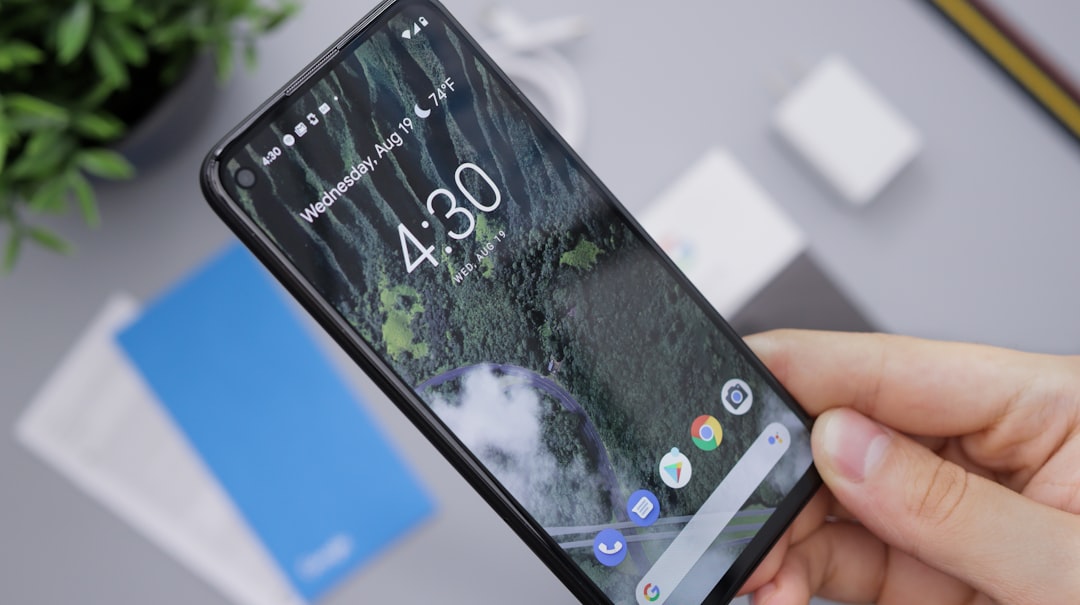
Distracted driving, particularly texting while driving (TWD), is a severe issue in Washington D.C., where high traffic volume and diverse populations exacerbate risks. The Do Not Text Laws DC enforce strict penalties but require a comprehensive approach including public education, personal accountability, and technological interventions like apps that block distractions. Adhering to guidelines such as minimizing electronic device use while driving can significantly enhance safety on the city's roads.
Distracted driving is a pervasive and alarming issue on our roads, with serious consequences for safety and lives. In the District of Columbia, where vigilance is paramount, understanding and adhering to Do Not Text Laws DC is more crucial than ever. This article delves into the profound impacts of distracted behavior behind the wheel, highlighting the dangers that text messaging poses in real-time. We will explore effective strategies and provide insights on how individuals can stay focused, ensuring they and others remain safe on our city’s streets. Let’s navigate this critical issue together.
Understanding Distracted Driving Risks in DC

Distracted driving is a significant concern on Washington, D.C.’s roads, with potentially deadly consequences. In a city known for its high concentration of government officials, tourists, and busy commuters, understanding the risks associated with this behavior is paramount. The Do Not Text Laws DC has put in place offer a starting point, but comprehending the multifaceted issue requires a deeper exploration.
Distracted driving encompasses any activity that diverts a person’s attention from operating a vehicle. While texting while driving (TWD) receives significant media attention, other distractions like using in-car entertainment systems, adjusting GPS settings, or simply daydreaming can be equally hazardous. Studies show that even a few seconds of distraction at high speeds can lead to catastrophic accidents. For instance, research indicates that sending or receiving a text message takes a driver’s eyes off the road for an average of 4.6 seconds—enough time to cover the length of a football field while driving at 55 mph.
The risks are especially acute in D.C., where congestion and complex traffic patterns require constant vigilance. According to recent data, distracted driving-related accidents have led to a significant number of injuries and fatalities in the city. The District’s Do Not Text Laws DC aim to curb this trend through stringent penalties for TWD while operating a motor vehicle. However, enforcement alone is not enough; public education and personal accountability are crucial components in surviving and mitigating the consequences of distracted driving. Drivers must recognize that even brief diversions can have severe repercussions, leading to lifelong impacts for those involved in accidents caused by such negligence.
Navigating Do Not Text Laws DC: Enforcement & Penalties
In Washington D.C., distracted driving, particularly texting while behind the wheel, is a significant concern with severe consequences. The Do Not Text Laws DC enforce strict regulations aimed at curtailing this behavior to ensure safer roads. When caught violating these laws, drivers can expect substantial penalties, including fines that range from $102 to $500, depending on the severity of the infraction. Points are also added to the driver’s license, which can lead to increased insurance rates and potential license suspension. For commercial drivers, violations may result in federal regulations enforcement, jeopardizing their employment and professional reputation.
Enforcement of Do Not Text Laws DC relies heavily on police observation and reported incidents. Police officers look for signs of distracted behavior, such as erratic driving or missed stop signs, which can trigger a stop and subsequent investigation. Additionally, automated systems that detect text messages and call histories are employed to identify repeat offenders. These measures underscore the city’s commitment to combating distracted driving, sending a clear message that such actions will not be tolerated.
To navigate these laws effectively, drivers in DC should prioritize responsible behavior behind the wheel. This includes avoiding all forms of electronic device usage while driving, adjusting settings before starting the vehicle, and utilizing hands-free devices only when necessary. Regularly updating software to enable Do Not Disturb modes during driving can also be beneficial. Moreover, setting expectations with passengers about not engaging in conversations that divert attention from driving is crucial. By adhering to these guidelines, individuals not only comply with Do Not Text Laws DC but also contribute to a safer and more responsible driving culture.
Safeguarding Lives: Preventing Distracted Driving in DC

In the bustling metropolis of Washington D.C., safeguarding lives on the roads is paramount. Distracted driving, particularly texting while behind the wheel, poses a significant threat to public safety. According to recent data from the National Highway Traffic Safety Administration (NHTSA), distracted driving resulted in 3,142 fatalities nationwide in 2020, emphasizing the urgent need for proactive measures. In D.C., where congestion and foot traffic are high, these risks intensify. The Do Not Text Laws DC has been a game-changer, but preventing distracted driving requires a multifaceted approach.
Enforcement of existing laws is crucial. The Do Not Text Laws DC ban on texting while driving carries severe penalties, acting as a deterrent for many. However, education and awareness remain key. Many drivers engage in distracted behavior out of habit or ignorance. Implementing targeted campaigns that highlight the consequences and promote safe driving habits can significantly reduce incidents. For instance, using real-life stories and data from local accidents can underscore the impact of texting while driving, fostering a culture of responsibility among residents.
Moreover, technological interventions offer promising solutions. Apps designed to block text messages and calls while driving have gained popularity, leveraging digital tools to enforce off-screen focus. Public transport apps that integrate safety reminders and provide alternative navigation methods encourage drivers to adopt safer habits. Integrating these innovations into daily routines can revolutionize safe driving practices in D.C., ensuring a more secure and mindful transportation network for all residents and visitors alike.
About the Author
Dr. Emily Parker, a leading transportation safety advocate and former insurance industry analyst, specializes in navigating the legal and human impacts of distracted driving. With a Master’s in Law and a Certified Safety Professional designation, she has analyzed thousands of cases across the DC metropolitan area. Emily is a contributing author to the National Highway Traffic Safety Administration’s reports and an active member of the American Bar Association’s Transportation Law Committee. Her expertise lies in helping victims understand their rights and advocating for safer driving practices.
Related Resources
Here are some authoritative resources for an article about surviving the consequences of distracted driving in DC:
National Highway Traffic Safety Administration (NHTSA) (Government Portal): [Offers comprehensive data and research on traffic safety, including distracted driving.] – https://www.nhtsa.gov/
Washington, D.C. Department of Motor Vehicles (DMV) (Official Website): [Provides local regulations and resources related to driver safety, including distracted driving laws.] – https://dmv.dc.gov/
University of Washington – Distracted Driving Research Center (Academic Study): [Conducts and publishes research on the impacts of distracted driving, offering valuable insights for prevention strategies.] – https://www.uw.edu/distracted-driving/
AAA Foundation for Traffic Safety (Research Organization): [Publishes peer-reviewed research on traffic safety issues, including distracted driving.] – https://www.aaafoundation.org/
Distraction.gov (Government Initiative): [A dedicated resource from the U.S. Department of Transportation focusing on raising awareness about distracted driving.] – https://www.distraction.gov/
Insurance Institute for Highway Safety (IIHS) (Industry Leader): [Provides in-depth analysis and ratings on vehicle safety features, including those related to distracted driving prevention.] – https://www.iihs.org/